Suunto Smart Heart Rate Belt 2
-
@VoiGAS Can you share a before/after of your RR data and ZS charts by chance?
Suunto Race S / 9 Baro / Ambit 3 Peak / Observer
Suunto SHRB2 / Polar H10 / Verity Sense / OH1
Stryd Duo / Wind
r/suunto mod -
Oh God
 . You want to buy best compatible accessories and got this
  . Also I can’t believe, that I’ll have somehow better Zone sense readings with SHRM2 compared to Polar H10. It’s only about R-R intervals and good signal IMHO. I’m glad for my H10. I only got strange R-R readings while I have extrasystoles during activity which I feel very well. I got ECG holter implanted. It’s a long story. But last months everything is fine and I feel it only time to time and also my R-R difference charts from cycling are perfectly clear.
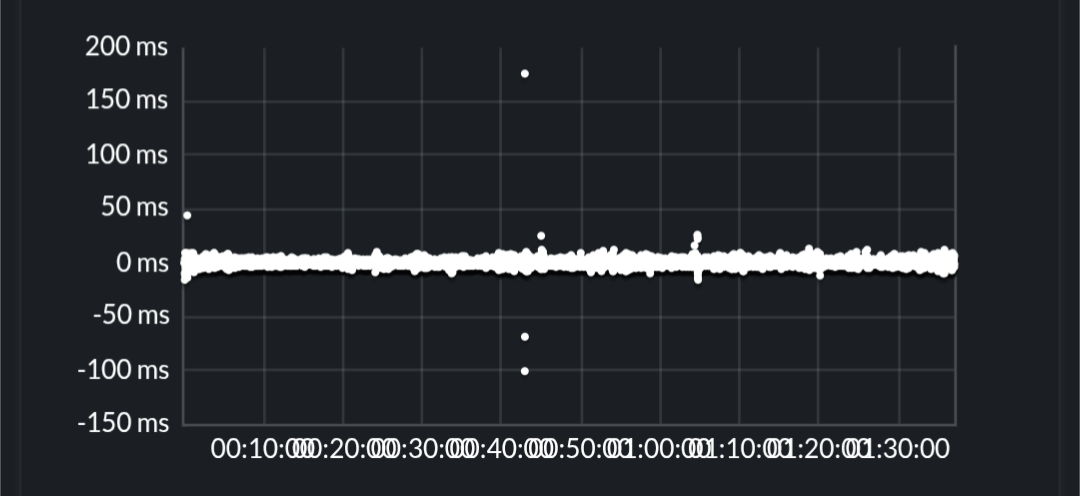
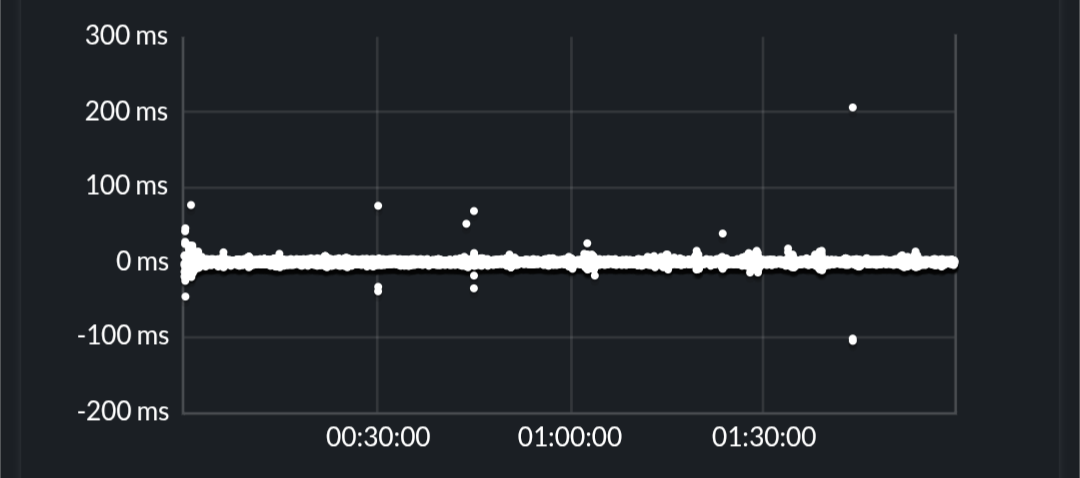
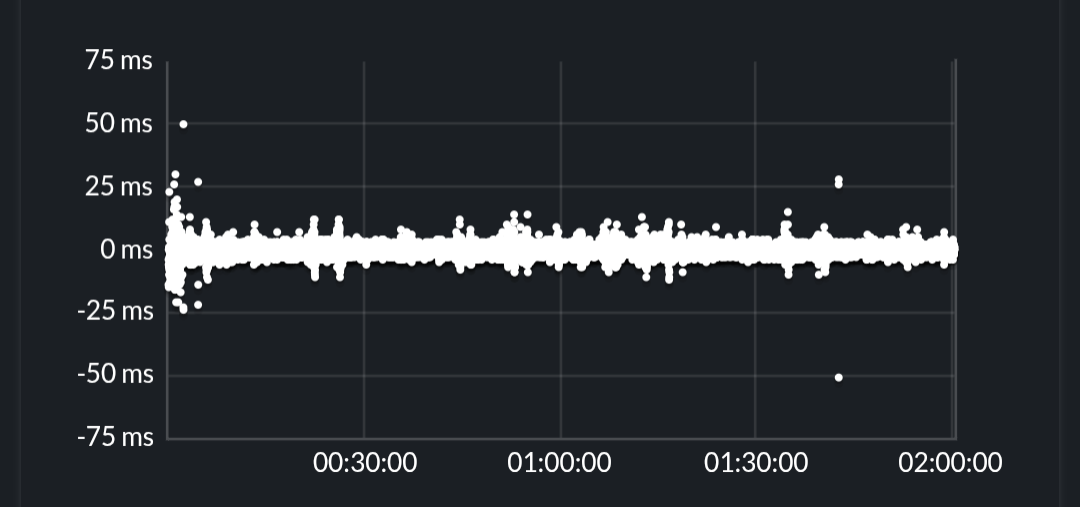
-
@HonzaS It’s hard to interpret the date if the scales are not equal and we don’t know wich data belongs to which source.
Watch: Suunto Vertical Titanium Solar (Sand)
SA: Android (beta)
HRS: Polar H10 -
@atoponce only the new one
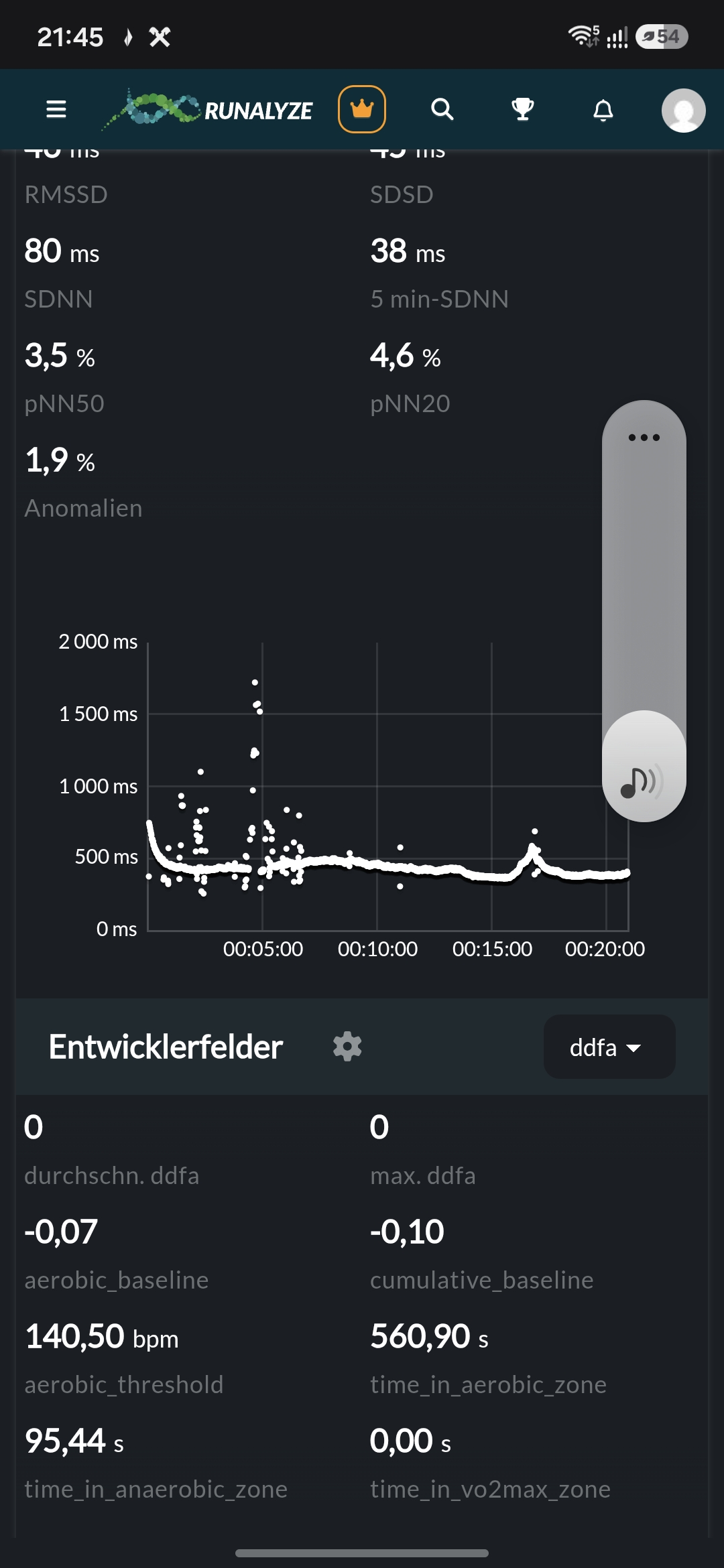
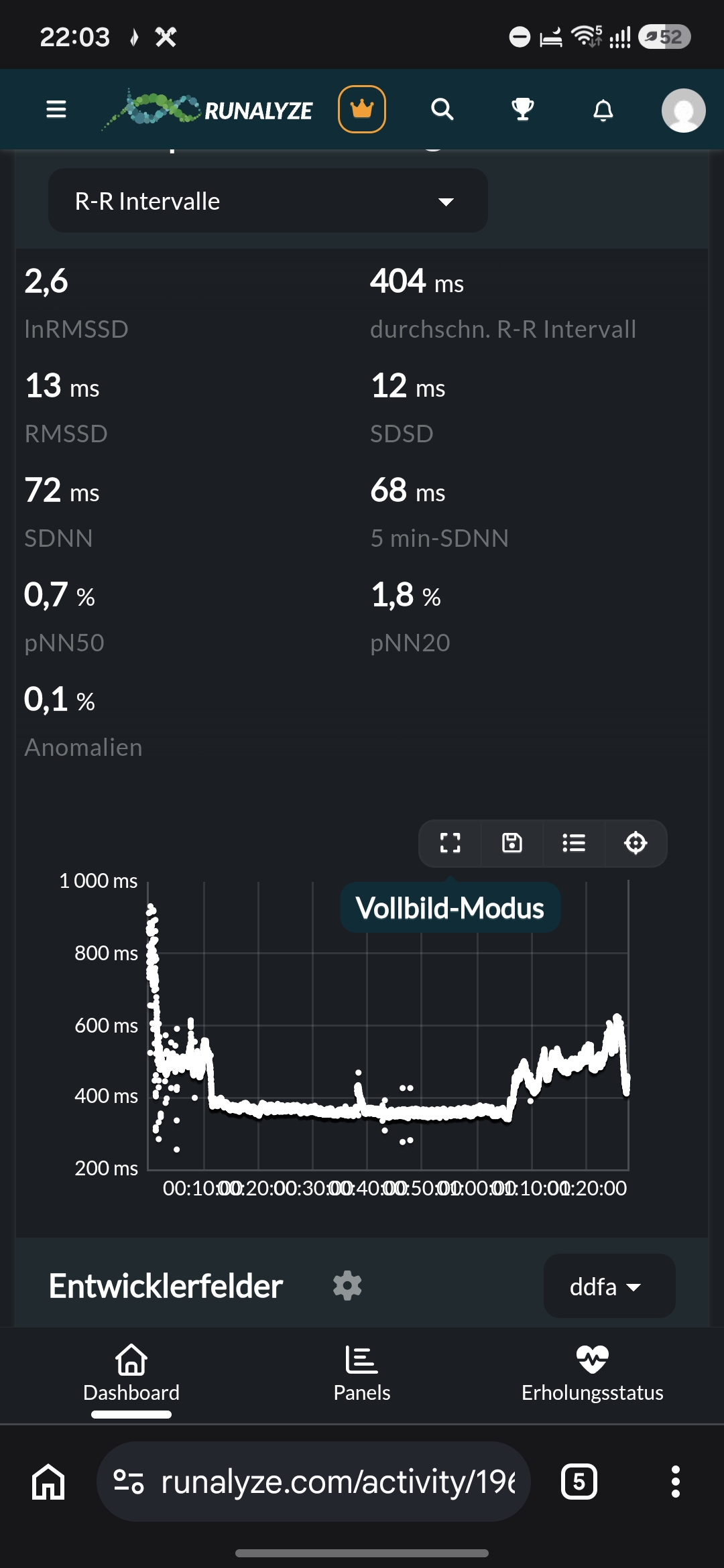
Still some noise, but thats normal in the first few minutes. The old one was more like a bee swarm…
Edit: Must have been cheating to myself. Looks similar, not easy to compare because of the length. Thats why I thought the line is thinner…
-
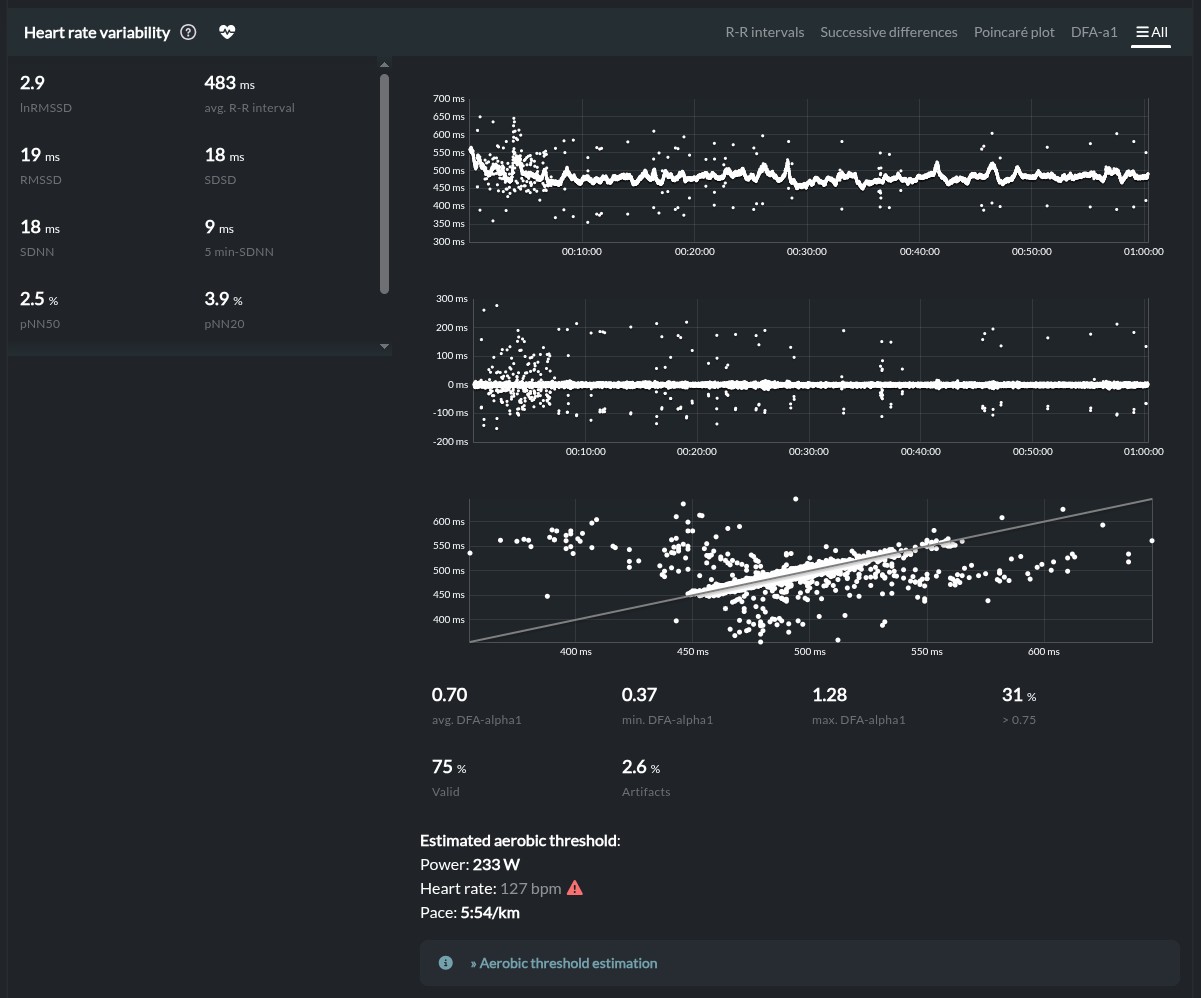
@VoiGAS Thanks. That is a lot cleaner than my data with my Polar H10. Here’s an easy run when I was tapering for a 50K recently:
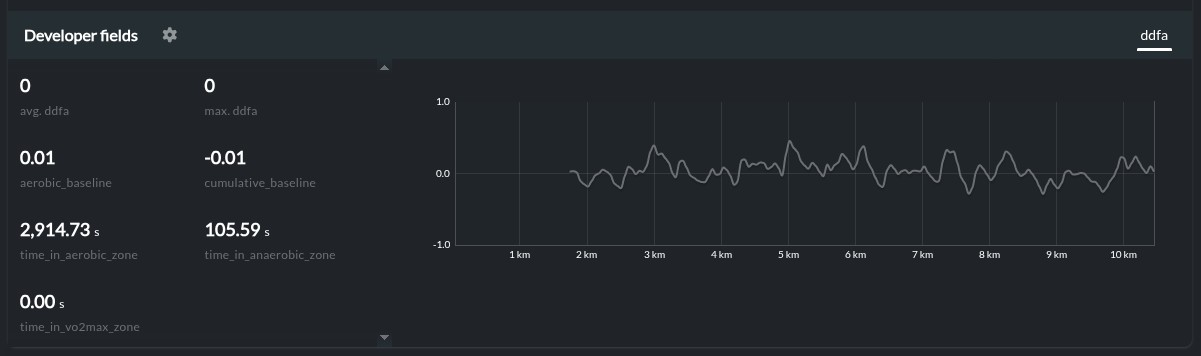
And Runalyze’s view of ZS:
Suunto Race S / 9 Baro / Ambit 3 Peak / Observer
Suunto SHRB2 / Polar H10 / Verity Sense / OH1
Stryd Duo / Wind
r/suunto mod -
before sending it back I would also try a factory reset…
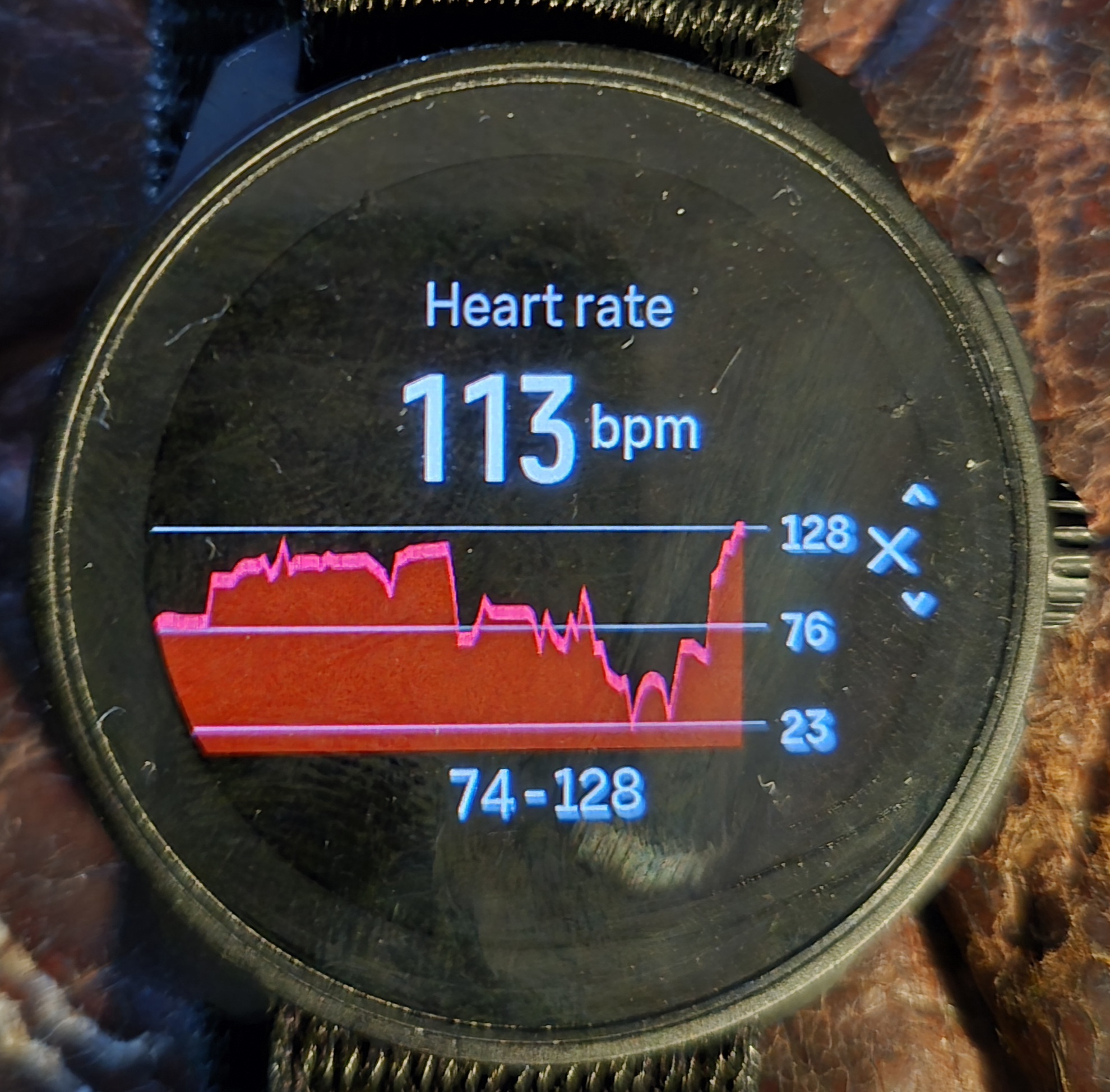
Removed the SHRM2 pairing from the FR955, Race S and Suunto App. Did the 20+ seconds factory reset and repaired the monitor to all devices again. Redid the 1 km running experiment with optical HR specifically and completely turned off in both watches. While the live HR data during the run looked plausible, there were oddities like 3-5 bpm differences between the watches (they should practically mirror eachother) and HR dips on a flat course that should see a slow steady bpm increase.
Stopped and saved, the session HR graph looked ‘OK’ on the Garmin but completely mangled on the Suunto. FR955:
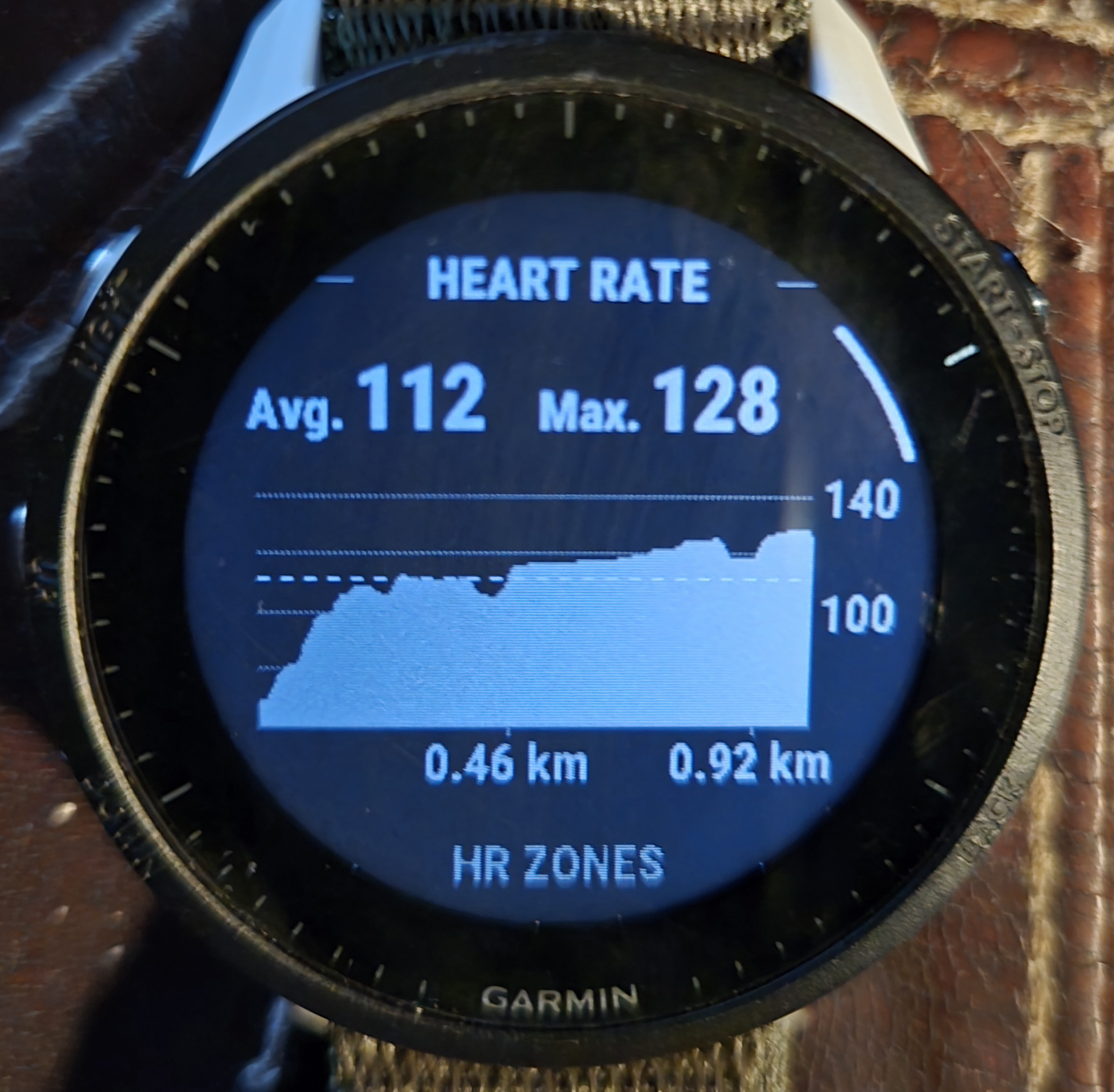
Race S:
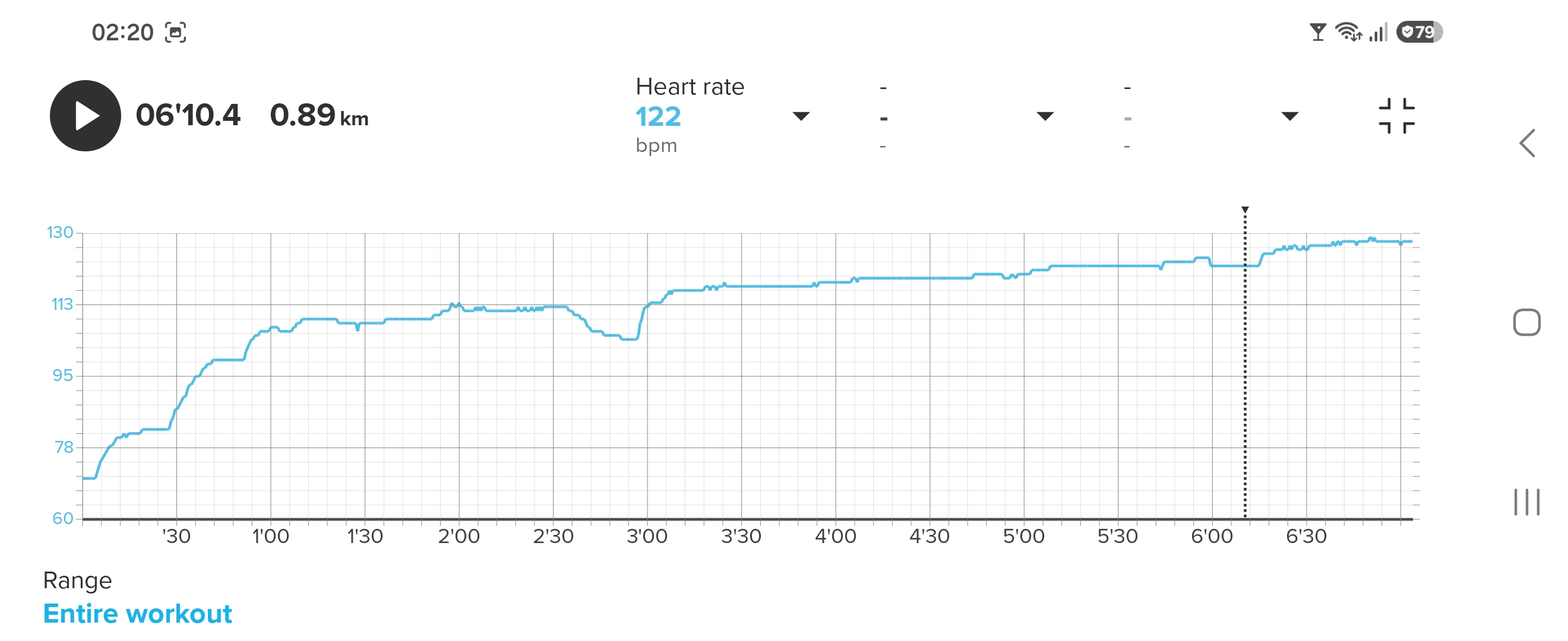
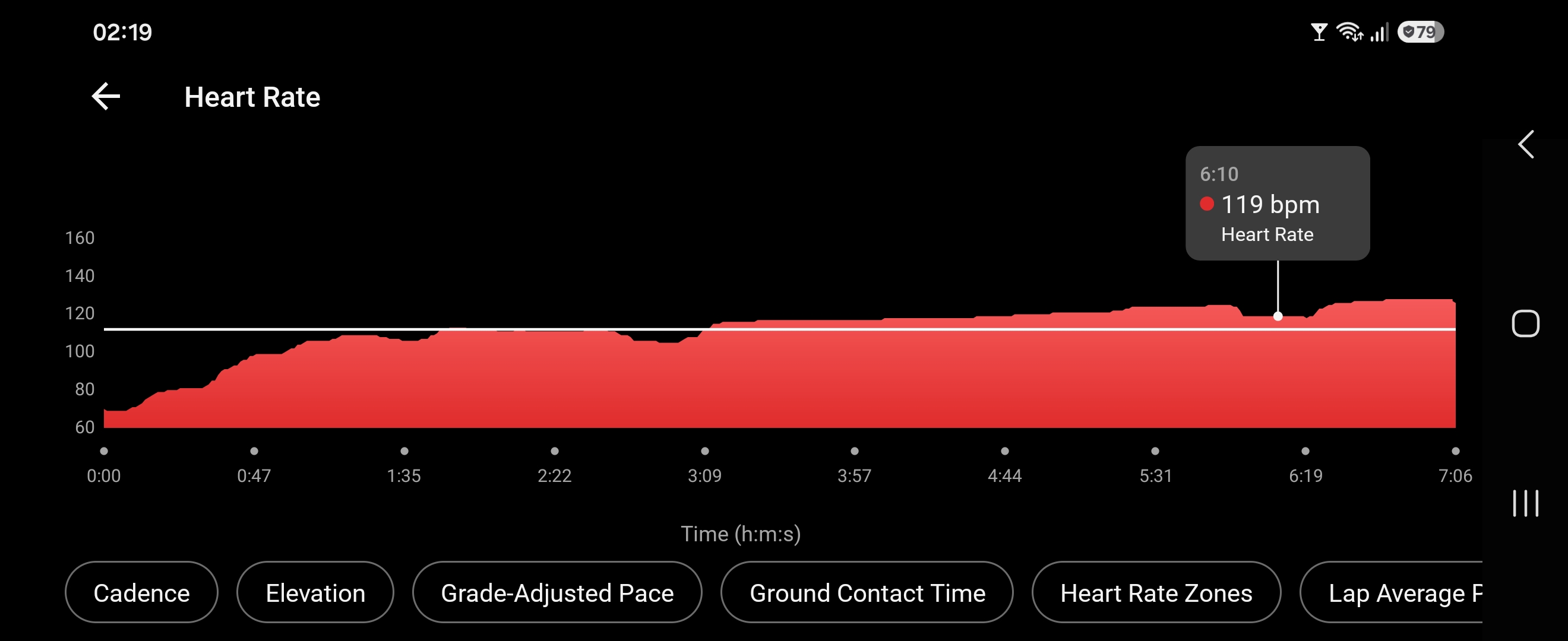
The HR graph in the Suunto App does not look mangled in that manner, but the dip right before the 3 minutes mark is very prominent. I’ve put the marker in both graphs at 6 min 10 sec on a flat section that signifies an obvious loss of signal. Suunto:
Garmin:
I will definitely initiate a return of the SHRM2. The faith in this unit is lost and questions about the overall hardware/software interactions are raised in my mind. Too bad… My Polar H10 died after a couple of years service and the ‘Suunto Smart Heart Rate Belt’ lasted only a bit more than a year (yeah, the pod became erratic). Optical HR is not a good option in the fast approaching winter conditions.
Suunto Race S
-
You can see this when using fitfileviewer
Yes, but that site is such a pain to use on a phone. Hard to scroll, search and get a good view unless you have a mouse and a large screen. Would first have to mail the .fit file to myself before pulling it down to a seldom booted up computer… Too many hoops to jump unless being on an important quest.
-
@Inge-Nallsson I absolutely have to check if I get the same problem when using multiple channels.
-
-
@Inge-Nallsson point taken. I’m one of the people who still use a computer regularly and don’t force myself to do everything on a mobile phone…
-
I’ve proceeded with a factory reset and :
slow run:
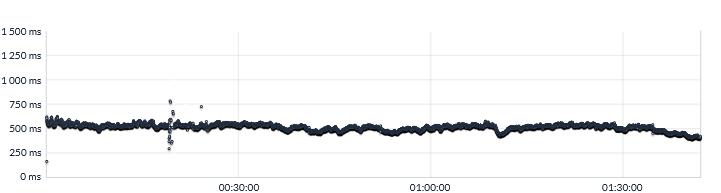
step up box:
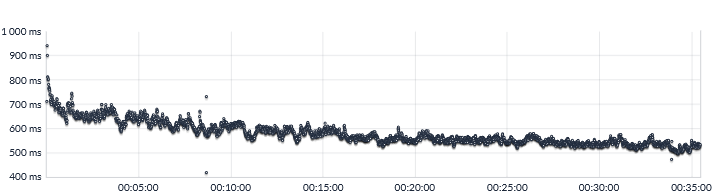
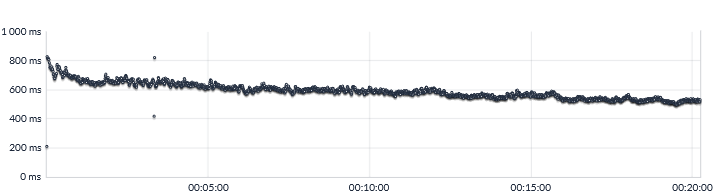
and another good one from yesterday, so afaic issue seems solved:
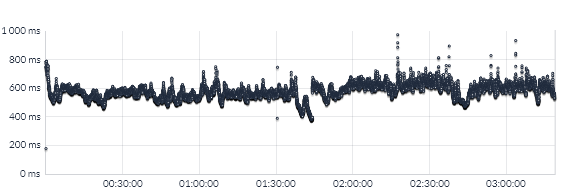
-
It seems to me that the numbers we see for GCT and FT in the app are for a full stride (left plus right leg) while the guidance numbers are for a single step?
From the Suunto app for a recent run (72 year old and slow runner if you wonder):
Average cadence 76 rpm
Average step length 158 cm
Avg GCT 449 ms
Avg FT 334 ms
GCT/FT relationship 1.336
Vertical oscillation 5.1 cm
GCT balance 51.6% - 48.4%Computing the cadence from GCT and FT - 60 / (0.449 + 0.334) = 60 / 0.783 = 76.6 rpm matches the 76 rpm cadence.
The guidance numbers are
GCT
Elite < 210 ms
Excellent 210 - 240
Good 240 - 270
Average 270 - 300
Poor > 300FT
Jogging 80 - 120 ms
Stable 100 - 150
Fast 120 - 180
Sprint 180 - 250If you take the average of GCT and FT, e.g. 250 + 150 ms, you get a cadence of 150, clearly for a single leg.
Maybe Suunto would like to clarify this? I do believe it is correct to show the numbers for a complete stride. It is the guidance numbers that are confusing.
At least I hope I am not “Extremely poor”

-
@matram Yes, looks like. In my case its 290ms GCT and about 400ms FT. Makes no sense with the given description…
But your GCT/FT ratio is “Elite”. Not bad
-
@VoiGAS for me (https://forum.suunto.com/topic/15857/running-form-metrics-oddities/2) its 259ms GCT and 435ms FT, what makes no sense either…
-
@inge-nallsson @voigas @2b2bff
Did a 90m slow run today comparing with the STRYD Duo.Metric SHRM2 Stryd Cadence (spm) 150 151 GCT (ms) 456 465 VO (cm) 5.1 7.25 Symmetry (L/R) 49.6% / 50.4% 51.4% / 48.6% GCT actually looks fairly accurate (assuming Stryd would be the most accurate).
EDIT: corrected cadence for SHRM2 - had max before. This looks good.
Stryd has several different symmetries. Stryds ILR (Impact Loading Rate) balance looks closer to what Suunto is measuring at 50.2% / 49.8%.
Still struggling to turn these metrics into something you can act on in training. Anyone else had any success?
-
@matram Looks like everything except GCT is garbage - in this case I would trust a dual foot sensor a lot more.
GCT Balance is unusable and maybey even malicious if you try to counteract…Very disappointing
 ️
️ -
@matram Interesting difference in Vertical Oscillation. Is it even possible to really measure via foot pod? I would think you have to wear the sensor on the hips or chest to measure VO of the torso.

-
Optical HR is not a good option in the fast approaching winter conditions.
I highly recommend Coros armband HR sensor. It is quite accurate, comfortable, and works well when you wear it under layers. The connection with Suunto watches is stable. I used it with Race S, Race, and Vertical 2 - all without issues. The only small annoyance is that it needs to be recharged from time to time. The battery lasts 38 hours. The main advantage for me is that it is so comfortable that I forget that I wear it.
Suunto should offer something similar, although considering that Suunto pushes ZoneSense technology, I doubt that Suunto would ever consider an optical external HR sensor. Too bad! I still prefer Coros HR monitor even though it doesn’t provide compatibility with ZoneSense. I can’t wear a chest strap for very long without having skin irritation on the chest.
-
Suunto should offer something similar
Why, though? I mean there is the Coros HRM that is near to perfect and others (like Polar Verity Sense). Why reinvent the wheel?
Suunto often refers to being open in their APIs and they feel not the need to include all the external tools in their platform. This is a similar situation. -
First activies with the new belt and sensor :
- no issue with pairing or recording with both my SRs and SV1
- I probably need to adjust in a better way the belt : it’s wider, HR detection zones are wider => while running it tend to get down. To adjust.
- Belt itself
wider than the old oneExactly same size and hight - Sensor => tested with both new and old belt. No significant recording differences I can notice at my level. Aftewards metrics are diplayed in both case in SA
- Don’t have tested yet the sunnto app with metrics.
Suunto’s devices at home :
Vertical titanium solar
Suunto Race S
S9pp titanium sand
Suunto Wing & Spark
S9B titanium Ambassador edition, A3P, X6








Hello! It looks like you're interested in this conversation, but you don't have an account yet.
Getting fed up of having to scroll through the same posts each visit? When you register for an account, you'll always come back to exactly where you were before, and choose to be notified of new replies (either via email, or push notification). You'll also be able to save bookmarks and upvote posts to show your appreciation to other community members.
With your input, this post could be even better 💗
Register Login