Suunto Vertical 2 General Discussion
-
Funny thing, I tried the manual Spo02 measurement on my 9 peak pro (on 2.48.16) and the thing promptly, immediately, crashed and turned itself off.
How the f**** is that considered even remotely acceptable ?
I hate, absolutely hate how since the last few years Suunto firmware stability just became a gigantic joke it’s so awful, it’s like they don’t even try it !
-
@Elipsus Vertical2 is working perfekt. Also after 10 times of o2 measurements.
-
@AYHAN-YILDIZ @Elipsus I can confirm that the SpO2 widget is working on field test firmware. I have no idea where the information stating this was disabled was generated from.
-
@Sportsfreund I understand what you are saying, but there is a difference between seeking advice or help vs complaining.
But I agree which what you are saying partly. I would not agree that “Nobody goes to a forum if everything is great.” I came here and I think others have as well to lend support and celebrate Suunto.
-
No time to show on top screen when using 7 fields screen.
-
-
-
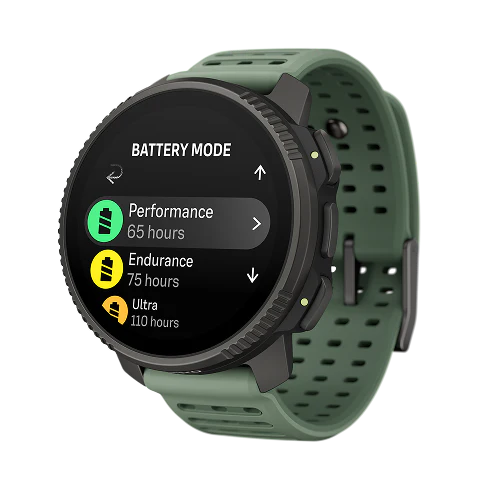
During an activity, the music controls cannot be operated via touch. Can anyone tell me where I can change the settings so that the controls also work with touch? Also, it seems that creating a custom battery mode isn’t possible on the V2, is it?
-
@tuxbuster It is not possible to enable touch for music controls during exercise. For all AMOLED watches custom battery modes are not available.
-
@Brad_Olwin Thanks for the feedback. Now I can stop looking for a solution and finally get some peace of mind again

-
@GiPFELKiND İşte Suunto’dan gelen yeni geri bildirim mesajı
Dear Customer,
Thank you for contacting us regarding the manual blood oxygen saturation (SpO₂) function on your Suunto watch and for providing your firmware version information (2.48.16).
We have confirmed the issue you described with our engineering team and would like to provide the following explanation:
First, we need to clarify the statement you heard online about the “feature being removed.” Your Suunto watch has always supported two blood oxygen monitoring modes: one is automatic monitoring during sleep, primarily used to analyze blood oxygen levels during sleep stages; the other is the instant measurement you mentioned, triggered manually via the widget.
Previously, some users encountered errors or malfunctions with manual blood oxygen measurement in certain firmware versions, mainly due to software-related issues. Our engineering team has now fixed this issue in the background. By performing a factory reset, you cleared any temporary data and configurations on your watch that might have caused the function to malfunction, thus allowing the correct function logic to work properly.
We hope this information clearly answers your questions. We are committed to continuously optimizing product functions and user experience through firmware updates. If you encounter any further issues, please feel free to contact us for assistance.
Wishing you a pleasant day!
Best regards, -
@AYHAN-YILDIZ said in Suunto Vertical 2 General Discussion:
By performing a factory reset, you cleared any temporary data and configurations on your watch that might have caused the function to malfunction, thus allowing the correct function logic to work properly.
Shouldn’t a factory reset fix things, if anything at all? For me it doesn’t make much sense.
-
After a few weeks of testing, the issue started to occur again.
The OHR sensor turns off without warning and does not turn back on until the watch is removed from the wrist or a forced restart is performed.


-
Nothing. Even after the FW update, the issue with my V2 persists, but only on my left wrist — the one with this tattoo.
It doesn’t happen with any other sensor.
Suunto, do something!!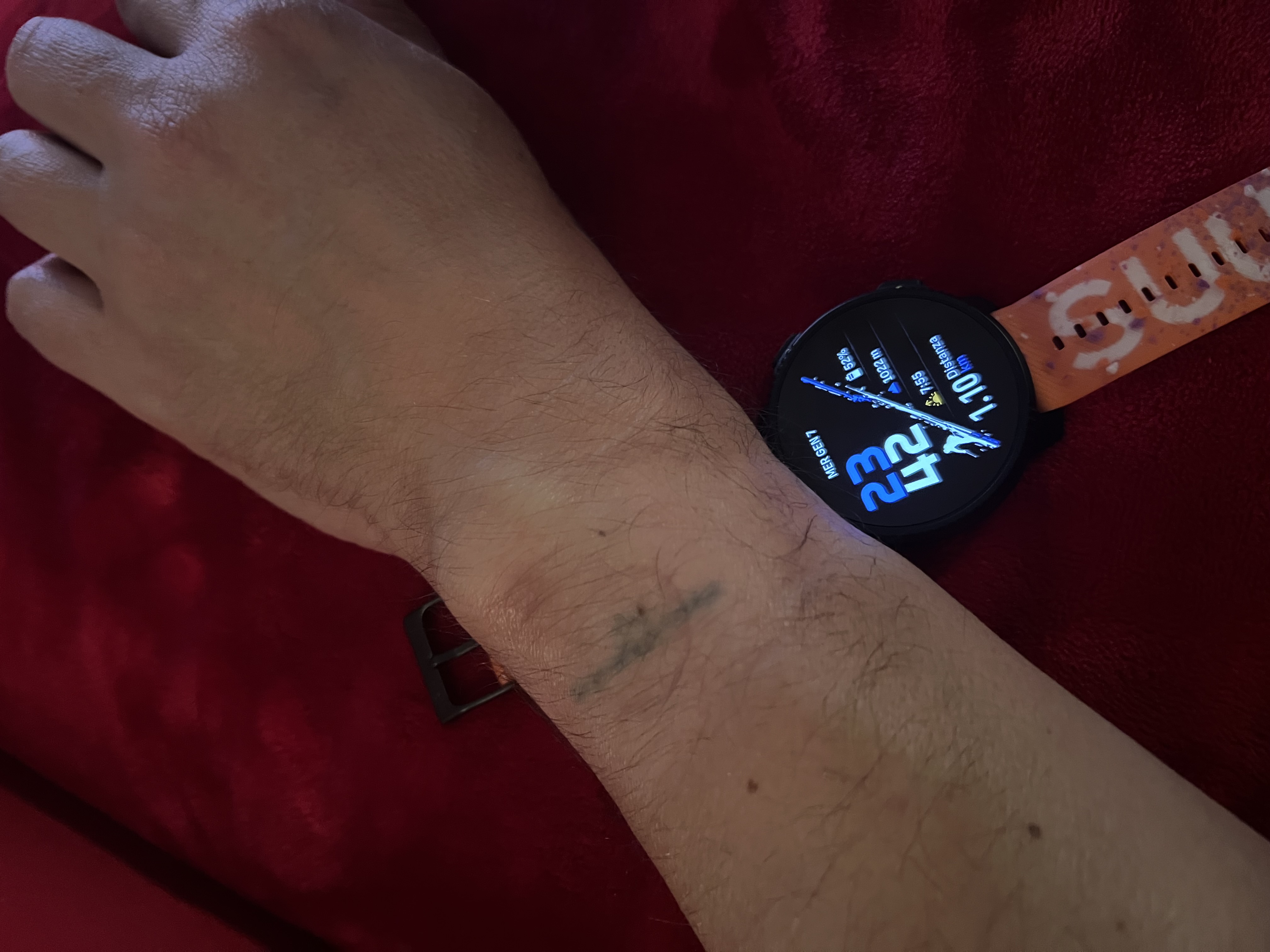
-
@Manuel-Extreme how can Suunto do anything about your tatoo…?
I suggest you move the watch to the other arm, to the underside of the tatooed arm or higher up the wrist. -
@Egika The sensor crashes. It turns off and won’t turn back on until I remove the watch and put it back on my wrist.
This happens in particular after using the heart rate strap for an activity.It doesn’t happen with any other sports watch. It didn’t happen with the Vertical 1 either.
For this reason, I think it’s a software management issue that should be analyzed by Suunto.
-
I am happy 9pp user. But sometomes i want to have bigger screen, maps. I am debating v1 vs. v2. Each have their own strengths and weaknesses and mostly these are perional or based on user preferences and use cases.
The biggest thing for me is screen i think. Mip is nice since you always see all the fields but still in challenging conditions mip is hard to see as well.
My eyes are not as good anymore (no glasses yet needed) but i think AMOLED would be better screen and easy to read in any condition?What i do not like is that you have to always press button or activate screen to see all the data on screen. Also i did not yet see how screen looks on v2 when AOD is used during navigatigation - is it hard to read in that mode during navigation activity?
Most poeple are saying when they tried AMOLED they can not go back to MIP.
Thanks anyone for feedback and thougts. Have a happy and healthy 2026.
edit: i can get v1 and v2 for the same price in EU. So decision is even harder

-
@krakra I was also considering upgrading from the 9PP to an AMOLED model (in my case, the Race S because my wrist is small). I’m including this link to the thread I started about it, in case it’s helpful.
PD: I think that, like many, I couldn’t go back to a MIP screen; but there are still times when I miss the MIP, especially on MTB in broad daylight.
-
@krakra Wow, that’s a very personal decision. Right now I own and use the Vertical 1 Ti, Race S, and Race 2 (I’ve been testing it for a week now). Every watch has it’s pros and cons in comparison to the others.
In my case my main “training watch” is the V1 Ti. I love that watch and like the MIP screen and is my main watch for running and biking. Cons: is bigger and heavier than Race S, so I used Race S for sleeping, daily use, gym training.
About screen size: Race S screen is 1.32", Vertical 1 is 1.4". Race S compensates size difference with brightness. In many cases, for me, is easy to read Race S Amoled screen than V1 MIP screen. When I’m wearing sunglasess and sun is not direct to the screen, V1 screen is dimmer and has more reflects and is more difficult to see. Amoled is easier to see in not so bright scenarios, and also visible in direct sunlight. Brightness and contrast are important for people with vision problems.
Both watches are very very similar un features and accuracy so I exchange them when I want depending on the use or activity. No problem with any of them, are performing very well.Now, I have Race since 1 week ago. It’s like a bigger Race S with 1.5" LTPO Amoled screen. The screen is spectacular, always perfectly visible even in direct sunlight conditions. Also is more confortable and light than V1, very similar to the Race S in terms of confort. New optical sensor is more “low profile” so this helps in the confort area. Maps are bigger, fields and fonts are bigger, better for the overal readibility in all conditions. The cons here, in my case, is that I’m experiencing that Race 2 is less accurate regarding GPS data: my Race 2 is showing less distance, speed and slightly worse tracks than V1 an RaceS which are very accurate.
So you should choose primarily according to screen technology in the main case.
-







Hello! It looks like you're interested in this conversation, but you don't have an account yet.
Getting fed up of having to scroll through the same posts each visit? When you register for an account, you'll always come back to exactly where you were before, and choose to be notified of new replies (either via email, or push notification). You'll also be able to save bookmarks and upvote posts to show your appreciation to other community members.
With your input, this post could be even better 💗
Register Login