BUG: OHR sensor crashes with non-ideal skin conditions (hair, dirt, small tattoo marks)
-
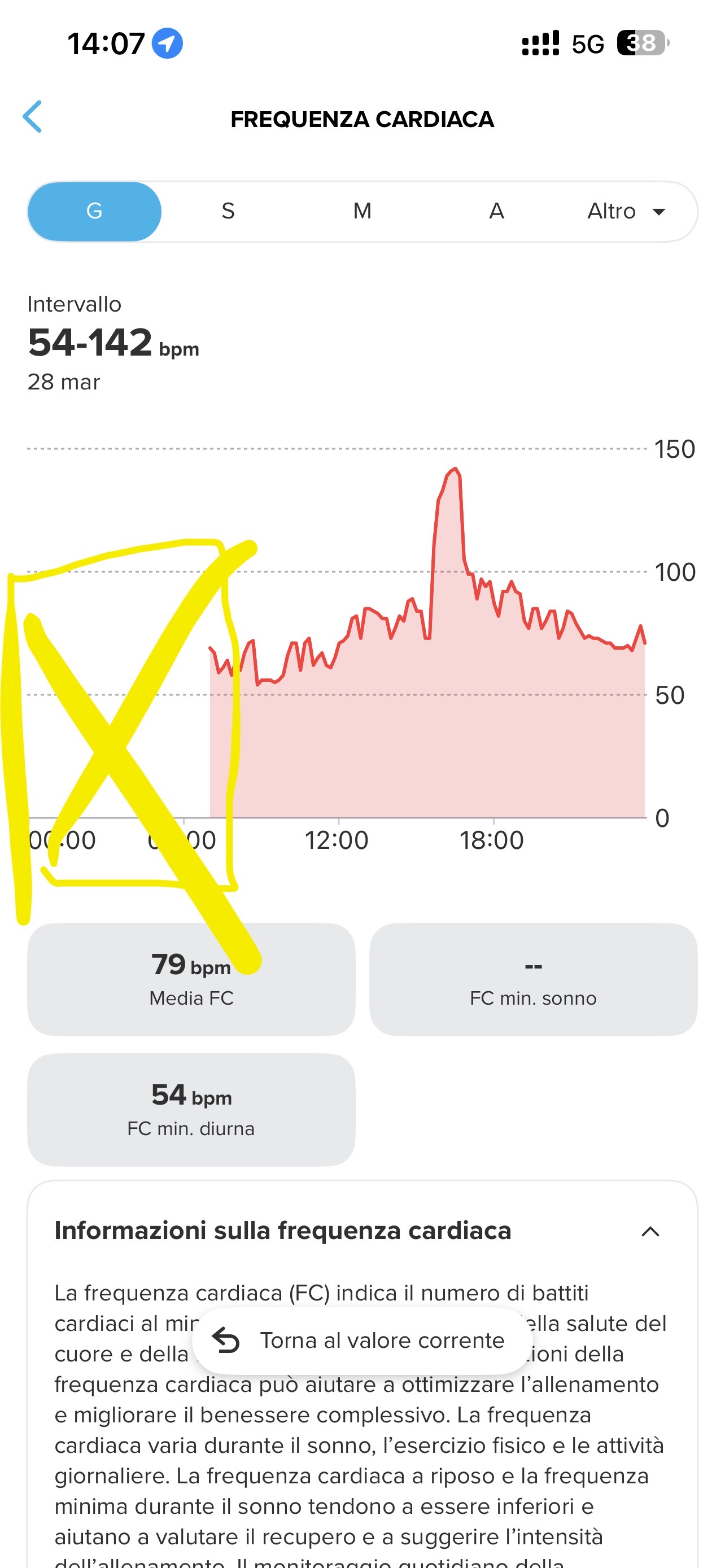
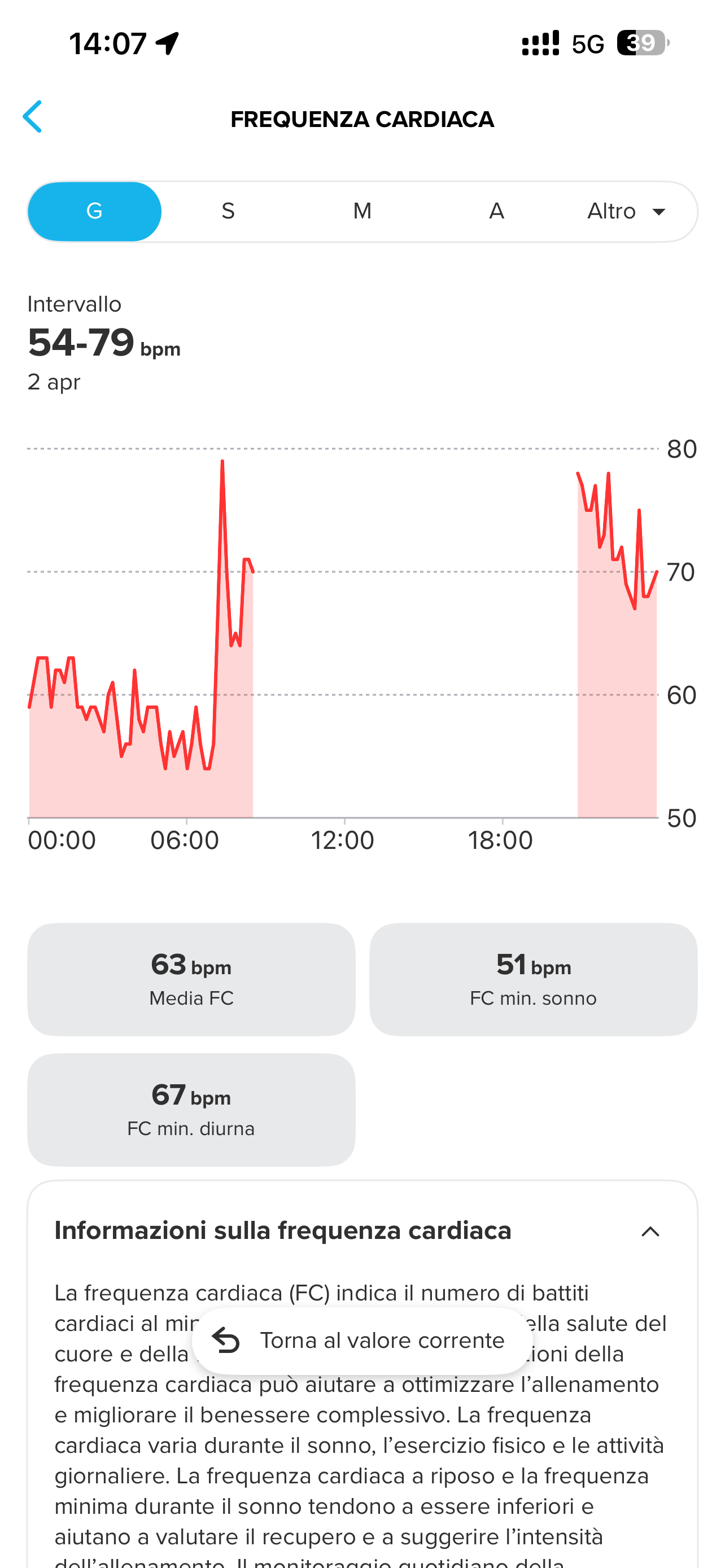
@BrunoH sensor crash:
-
I have been studying, testing, and comparing optical sensors for 10 years. I know very well how they work and I understand the difference between a malfunction and a reading error.
I did not report a reading error. I did not report suboptimal conditions. I did not report inaccurate heart rate readings.
This report is about a crash/shutdown at rest without any clear reason. The sensor suddenly turns off without warning, even though the conditions in which it was previously working have not changed.
I have used the following wrist-based optical sensors over the past 15 years:
- Garmin Fenix 3 HR
- Garmin Fenix 5X
- Garmin Fenix 6X
- Suunto Vertical 1 steel no solar
- Suunto Vertical 1 titanium solar
- second Suunto Vertical 1 titanium solar
- Garmin Fenix 7X
- Suunto Vertical 2
- Garmin Fenix 8
- Garmin Vivosmart 4
- Garmin Vivosmart 5
- Whoop 4
- Whoop 5
(Basically the entire Elevate lineup)
This shutdown issue occurs only with the Vertical 2.
-
You sure made a convincing point! I am starting to believe you.
Have you sent the logs to Suunto and notified the contact persons here in the Forum?
-
hm.
There are two things I can add:-
my arm has a lof of hair. The sensor has never stopped working for me. So the issue you observed is maybe not just caused by non-ideal skin conditions.
-
The watch has some off-wrist detection. I am not sure what triggers it, but if you put the watch on a non-reflective surface, it will stop the HR reading.
Putting 1 and 2 together: maybe for you the off-wrist detection became active as the sensor sat on a very dark part of the skin. Still a fine line should not be sufficient…
What do you think?
-
-
@Egika It may well be a contact-based detection system, but it behaves oddly.
It works for hours, then suddenly turns off and stays off until I physically remove the watch from my wrist.
My guess is that, while trying to correct a reading error, the sensor logic may crash and fail to recover. Possibly some kind of overflow or state-handling bug. It does not seem to reactivate until the watch changes state from on-wrist to off-wrist and back again. -
@Manuel-Extreme off wrist detection is not contact based, but somehow optical.
From here on I have no more ideas, sorry. -
This is the Vertical 1 sensor: it has been like this for 4 hours and has never turned off.
The Vertical 2 sensor: if it reads the signal incorrectly for 10 seconds, it shuts down until you intervene manually.
There’s no point in downvoting (-1) every time I report the issue. I will keep doing it until it’s resolved.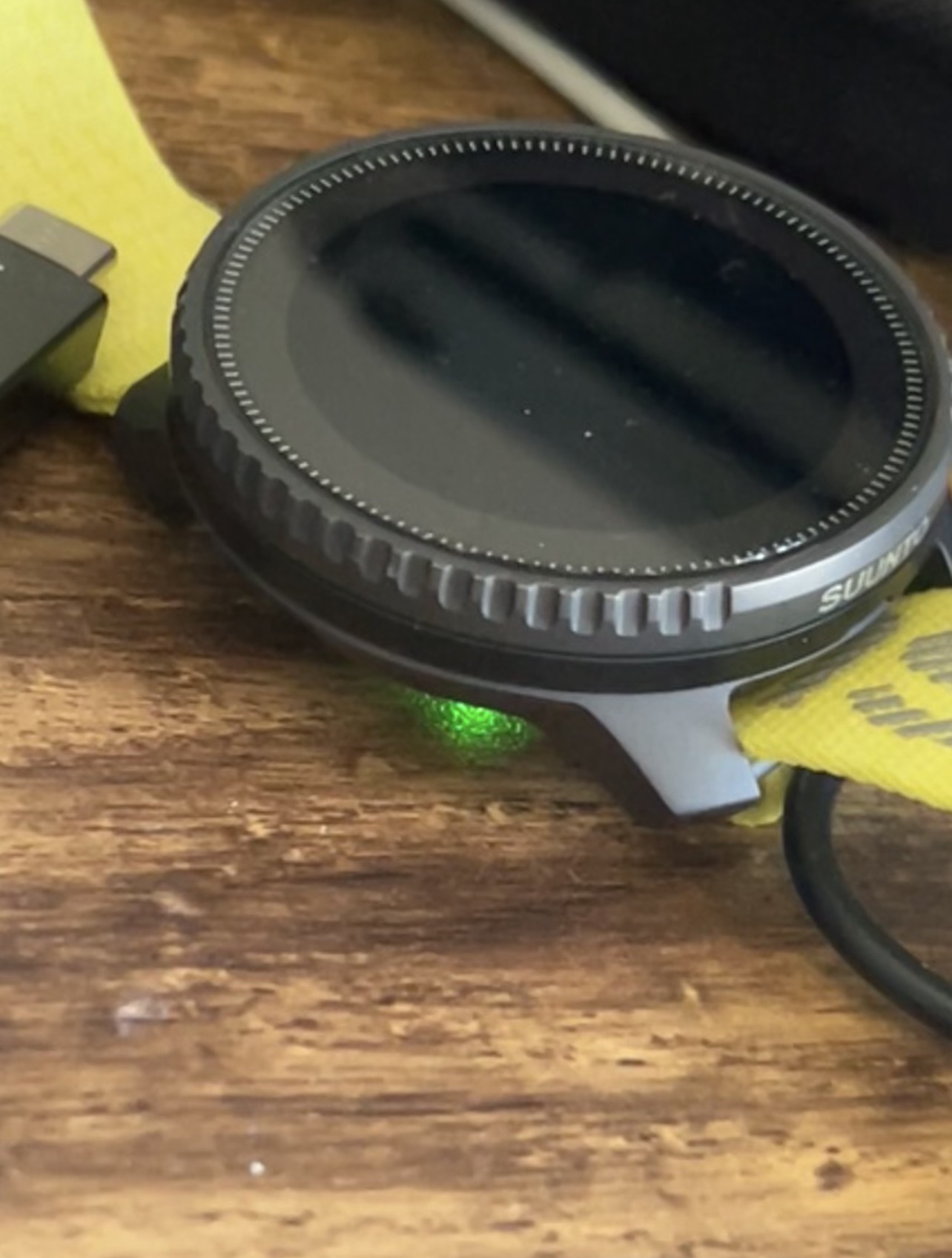
-
@Manuel-Extreme this will not just be “resolved”
Try placing your watch on a white/black/glossy/matte/etc surface and you will notice different behavior.
In your example the watch thinks it is on your wrist and trying hard to detect your pulse ️
️ -
Personally, I’m having the issues detailed here:
In my opinion:
-
22 milimeter wrist band is not enough for the Vertical 2 and Race 2. Suunto should go back to (at least) the 24mm bands in their next big watches (like Coros does with the Nomad and the Apex 4).
-
I think software algorythms are not clever enough with noise filtering when sweat or arm movements. I’m saying this because I had exactly the same issue with the previous Suunto watches and despite the different sensor.
-
OHR measuring works perfectly for me in both Garmin and Coros.
In Amazfit I have something very weird. In my left hand I have cadence lock but in my right hand OHR works perfectly.
No tattoos, no hair. The only thing is that I have low BPM while resting (that can be considered bradicardia).
My issue is exactly the same as detailed here and my profile very similar to that one (so, I’m not the only one): https://www.reddit.com/r/Suunto/comments/1on5qly/vertical_2_heart_rate_monitor_problem_not/ -
-
@Manuel-Extreme said in BUG: OHR sensor crashes with non-ideal skin conditions (hair, dirt, small tattoo marks):
Expected result
The OHR sensor should continue providing heart rate readings, even if signal quality is reduced. It should not shut down or stop recording data.Not my expected result. I rather have no data than incorrect data.
-
@elbee Do you really think 10 seconds of inferred data are better than 6 hours of no data?
-
You assume 6 hours of missing data was of perfect quality. And your demand was that it should always record data, regardless the quality. That last part I disagree with you.
And my personal, and therefore not very relevant, opinion: missed 6 hours of heart rate data? Not a big deal.