VO2Max and walking/hiking
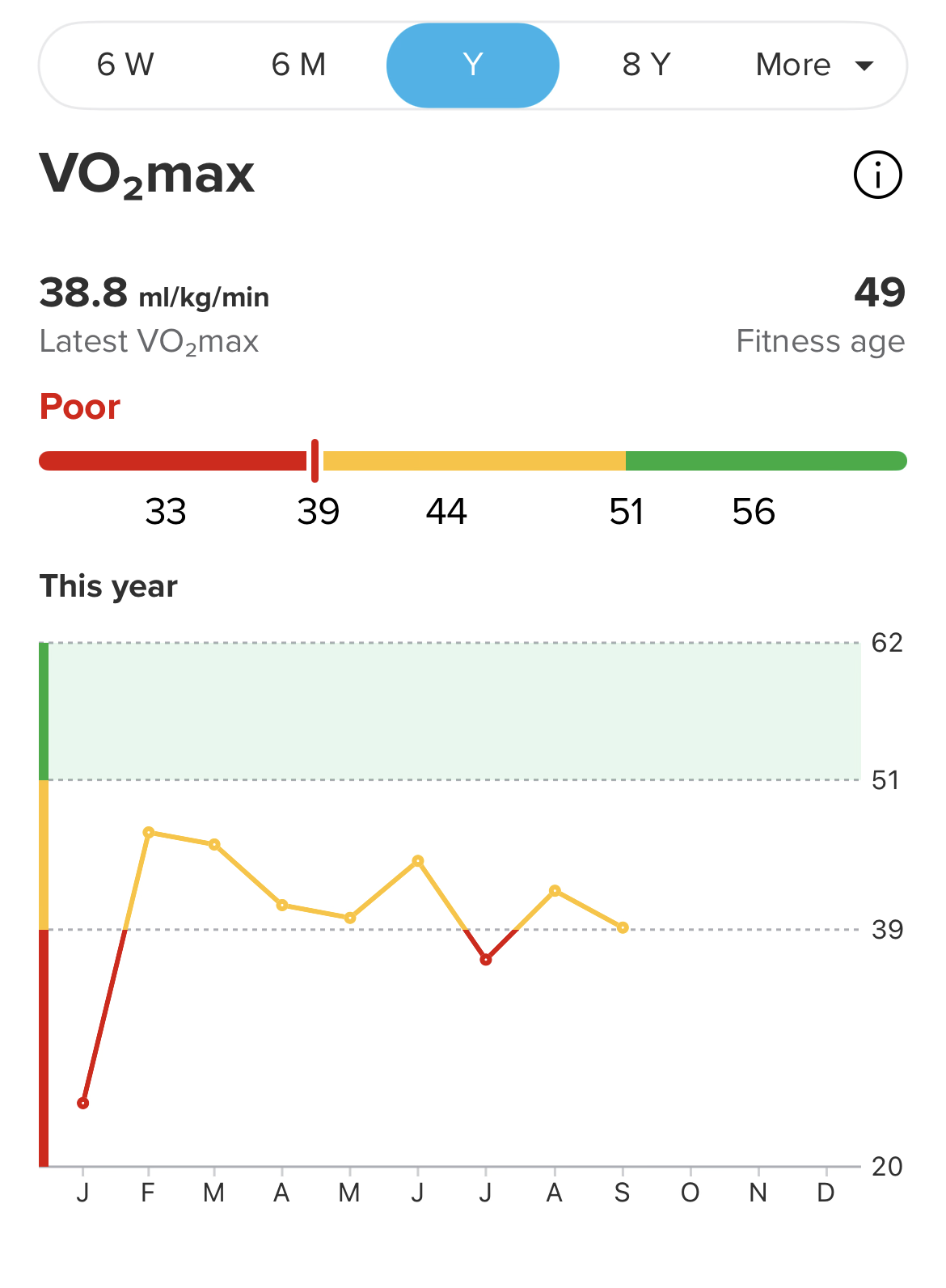
-
@dulko79 thats even more confusing as i did mostly walks with Race 2. Only few hikes, and just few bike rides.
Some say hiking doesn’t count, but my older Suunto 5 few times rapidly changed fitness age after hiking and if i am correct it is related to VO2Max.
-
@OutdoorMan i don’t understand why running should, walking/hiking shouldnt. I just know i don’t run because problems with knee for a long time. But still my previouse suunto watch (S5) did calculate this. How correct value was? I don’t know, but i know OHR didn’t worked well on S5 for me (lot of spikes and sometimes 20% of excercise it dropped to half of actual HR or it jumped to double which was even worse (like 200bpn while walk). So i assume this was really not calculated correctly since it is based on heart rate.
-
@Tomas5 how many people do you know who train to improve their vo2max by walking? By definition it’s maximal oxygen consumption and maybe I am uneducated, but you improve it by reaching a certain percentage of you max HR, by running/cycling intervals, hiit, anything that brings your heart rate up for a certain amount of time. At least this is how I do it. Certainly not by walking. Maaaybe hiking uphill. For me measuring it for sports other than running or cycling doesn’t make sense. But that is my opinion, I am not arguing.
-
@OutdoorMan hey, i am unedicated here, thats why i have this silly questions. I don’t know anyone training to improve VO2max by running, hiking, walking, cycling etc. My questions are based on uneducated observing that it worked with S5, don’t work with Race 2. I see that all you agree it is related mainly to running. So i am glad for this feedback and i will ignore it.
-
@Tomas5 well in the end it doesn’t really matter because it’s not very accurate no matter what you do
 I personally take it just as an informative number/ trend over a period of time. Going up = improving fitness, going down = decreasing fitness over time.
 -
@OutdoorMan said in VO2Max and walking/hiking:
@Tomas5 By definition it’s maximal oxygen consumption and maybe I am uneducated, but you improve it by reaching a certain percentage of you max HR, by running/cycling intervals, hiit, anything that brings your heart rate up for a certain amount of time. At least this is how I do it. Certainly not by walking. Maaaybe hiking uphill. For me measuring it for sports other than running or cycling doesn’t make sense. But that is my opinion, I am not arguing.
So, I think here for a trained individual the only way to improve VO2M is to exercise above VO2M. That is the case for me and for @OutdoorMan. I probably am a minority here, just about 69y old with a VO2M in the low to mid 50s (watch says 47-50). I train 11-15h per week with 2-3h of body weight and the rest trail/mountain running or SkiMo.
Individuals with no or low training history will have a low VO2M and thus, the walking is likely providing an estimate that can be used for improvement. However, unless the untrained individual does higher intensity cardiac work (begin running or walking steep hills, etc) there will be no change or improvement in the VO2M estimate. Because of this, I see why Suunto and other manufacuturers (Apple, Garmin, Coros, etc.) provide these estimates.
The idea behind this is to improve cardiac fitness. @OutdoorMan (depends on age) may be able to improve VO2M, for me I cannot as I peaked years ago and as I age improving VO2M is simply not possible. I am trying to hang on to what I have.
More importantly, if you are seeking to improve cardiac fitness and you are untrained, observing VO2M trends is a good idea and improving the number will improve your health.
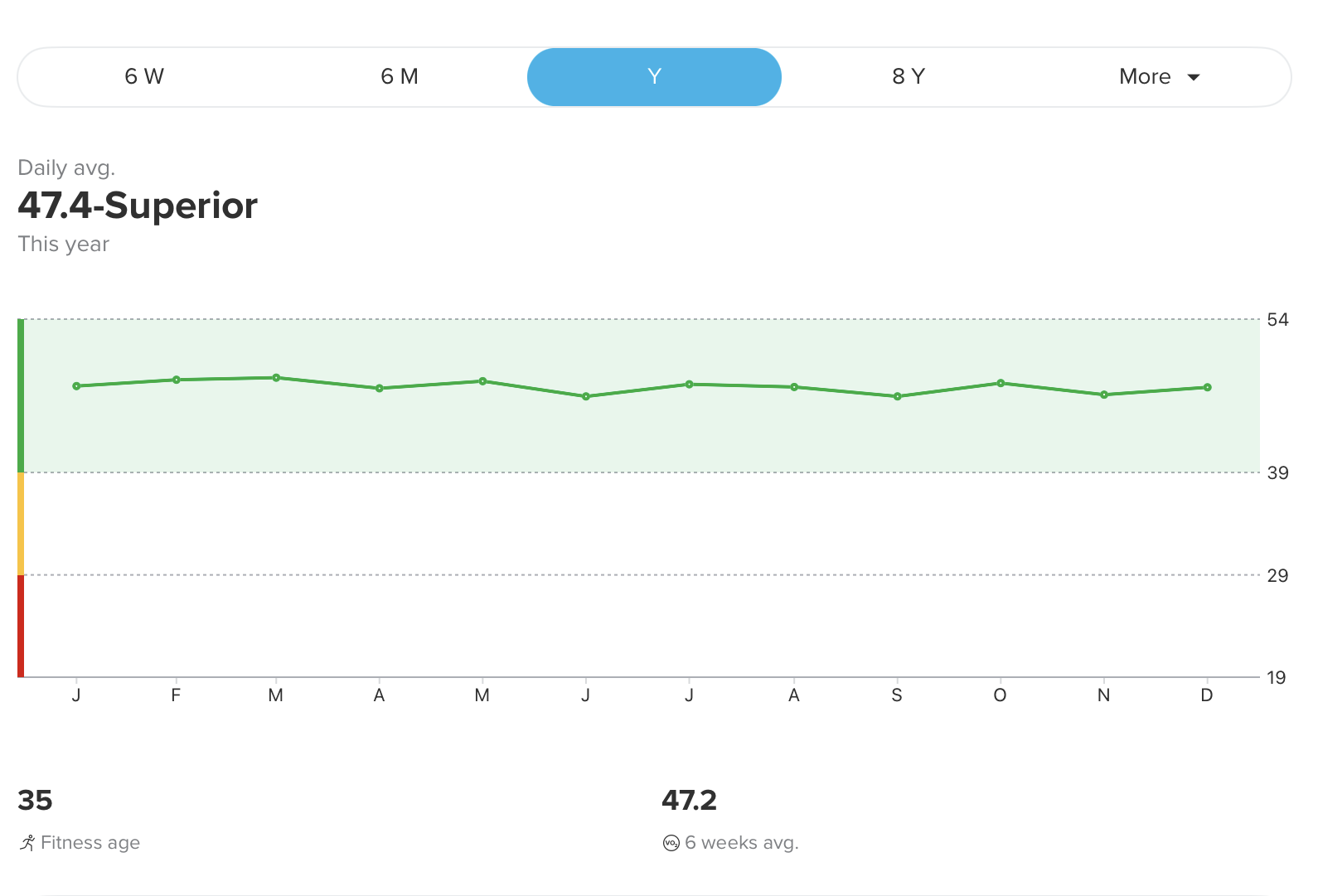
For example @Tomas5 here is my graph. The Race2 should give you values walking. I will try to test a walk today. As you can see my values are flat for VO2M.
-
@Brad_Olwin thanks
-
@Tomas5 I added my graph so you can see it. I’ll test walking on Race2 today.
-
@Brad_Olwin last 3 days i did short but quick 5km hikes, 2,5km up hill in quick pace. I was in 3rd or 4th zone even in 5th. But yes it was mentioned hiking doesn’t count. And when i track walking usually i have only zone 1. Thats maybe reason why watch doesn’t measure at all.
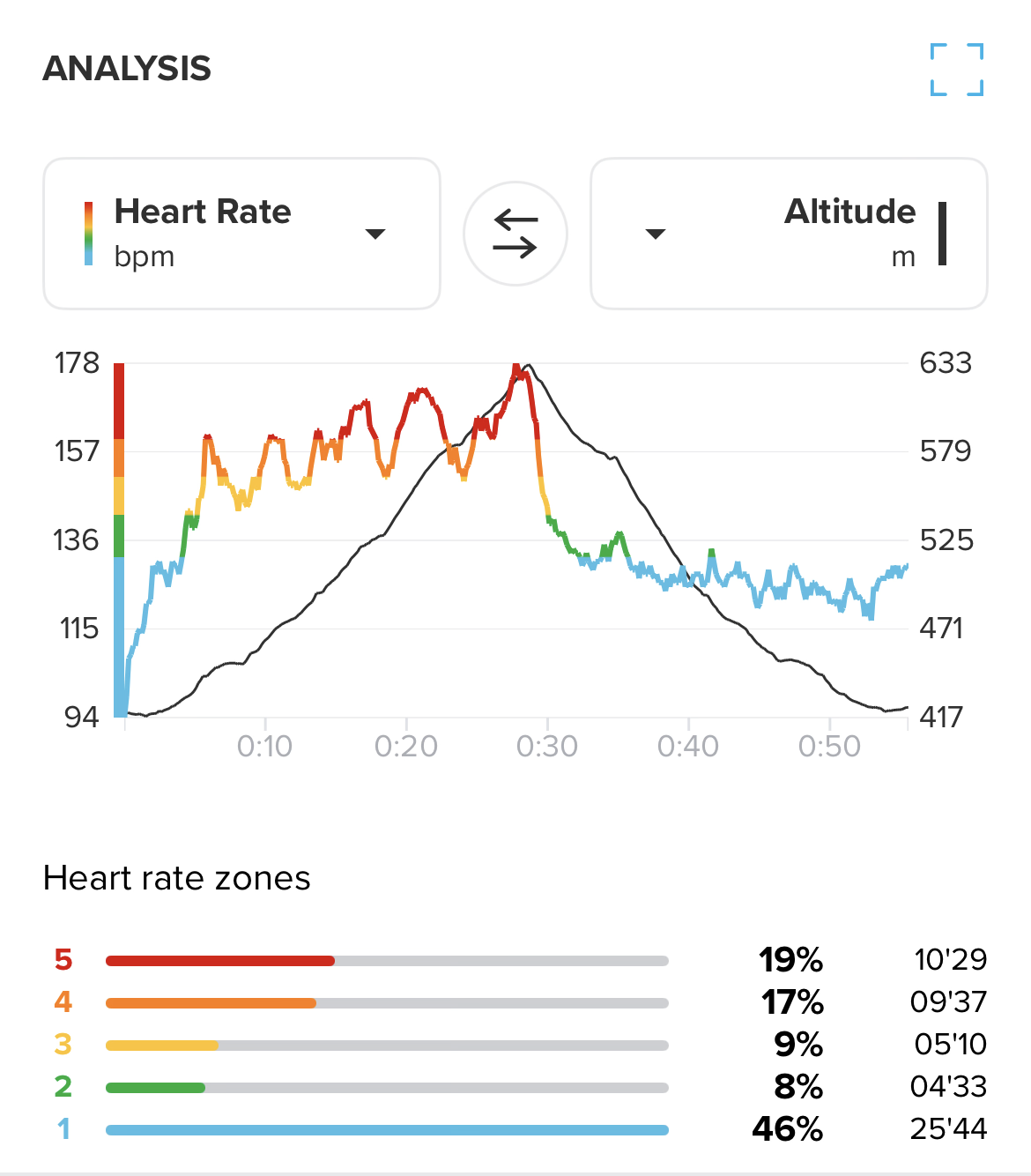
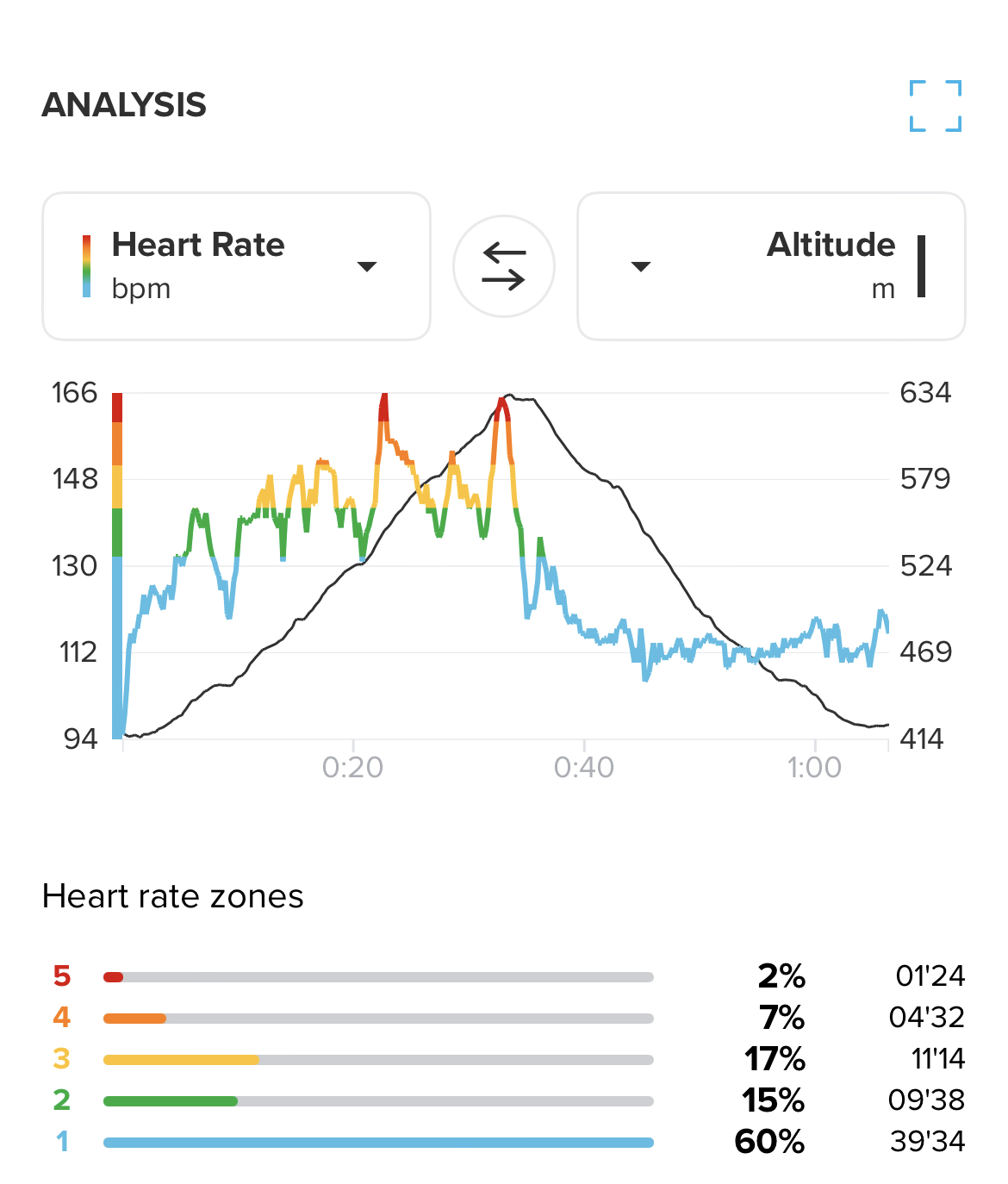
I can track it next time as walk. Until now i used waling only for activity in city (commute tu work) but in hills i always tracked hiking.
-
@Tomas5 Two solutions….track as trail run if you are on trails or walk as you suggested. That should give you the VO2M. I don’t know if Trekking works either.