After analyzing several activities using two watches simultaneously for comparison and running all the raw data through a pair of AIs, these are the conclusions obtained: aggressive post-processing filter within the FusedSpeed algorithm or a calibration bias in the Race 2 accelerometer.
It seems that Race 2 is more agressive/conservative than previous Vertical/RaceS algorithms.
FYI, If you feel like reading for 1 minute:
TECHNICAL REPORT: Distance and Cadence Discrepancy (Suunto Race 2)
Subject: Systematic Underestimation of Distance and Cadence: Suunto Race 2 vs. Suunto Vertical/Race S (FusedSpeed/Accelerometer Algorithm Analysis).
Problem Description: After conducting multiple comparative tests (dual-watch setups, wearing both devices on the same wrist to eliminate arm-swing variables), a consistent pattern of distance underestimation has been identified in the Suunto Race 2 (49mm) compared to the Suunto Vertical and Suunto Race S. These tests have been carried out in various activities and, in all of them, the difference in distance ranges between 90-160m in 10km of activity.
The evidence suggests that the discrepancy does not originate from the GNSS sensor itself (the recorded GPS tracks are accurate), but rather from an overly aggressive post-processing filter within the FusedSpeed algorithm or a calibration bias in the Race 2 accelerometer.
Comparative Test Data example (Same Wrist - Jan 15th, 2026):
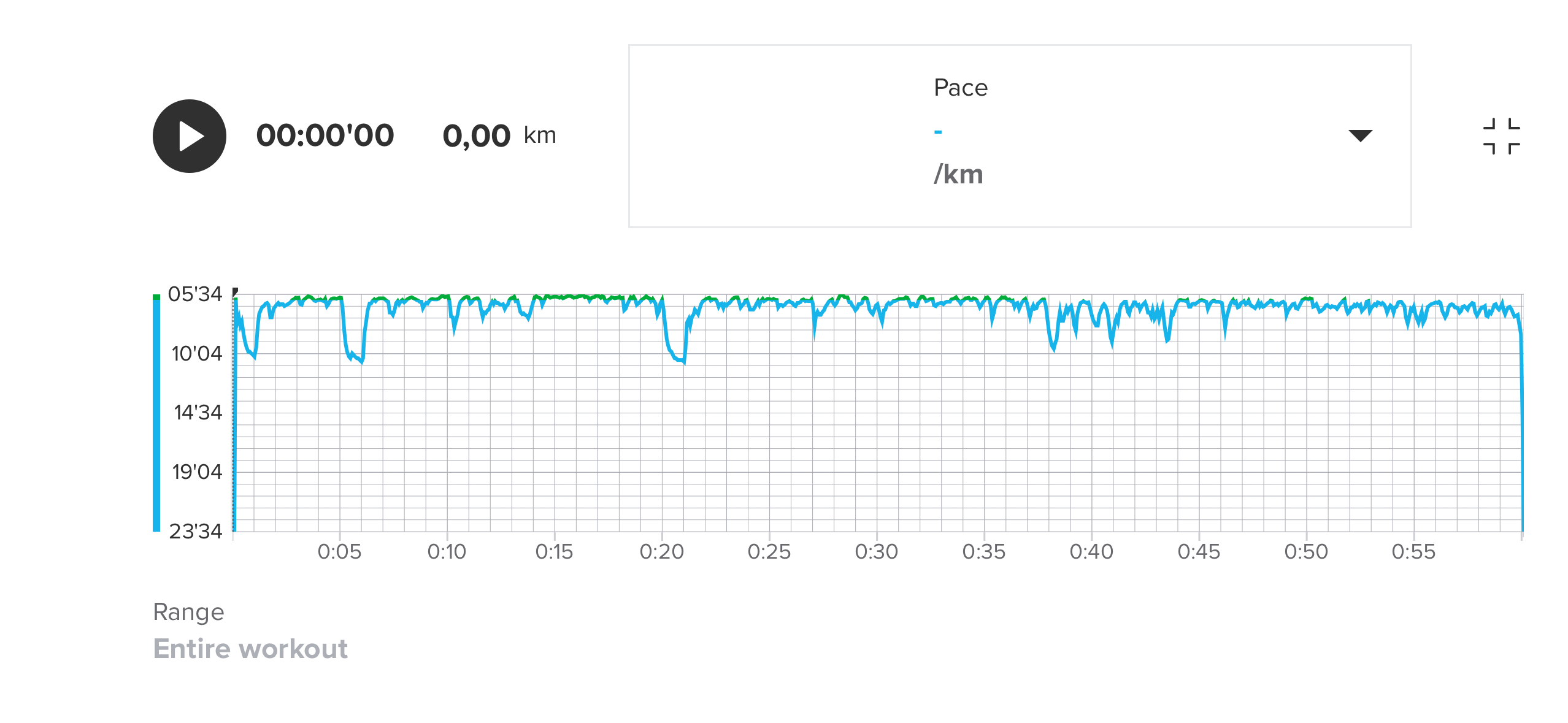
Course: Urban circuit with frequent turns and 4 moderate pace intervals.
GPS Mode: Performance / Dual-Band (All systems) on both devices.
FIT File Distance (Race 2): 9.55 km
FIT File Distance (Race S): 9.62 km
Calculated GPX Distance (Raw coordinates): 9.62 km
Key Technical Findings:
GPX vs. FIT Gap: While the Race S and Vertical FIT distances align almost 100% with the distance calculated by the sum of latitude/longitude coordinates (GPX), the Race 2 shows a loss of ~70 meters. This confirms that the device is discarding real GNSS-provided distance based on conservative accelerometer readings.
Cadence and Stance Time: Despite being on the same arm, the Race 2 consistently reports a higher cadence (174 spm vs 172 spm in Race S). This discrepancy suggests that the Race 2’s heavier chassis (49mm) might be affecting impact detection thresholds, causing the software to misinterpret movement dynamics.
Pace Transition Smoothing: The distance loss is most significant during pace changes and sharp turns. The Race 2 applies a higher level of “smoothing,” often treating legitimate acceleration or cornering as sensor noise, resulting in “shortened” tracks.
Inquiry for Support: Is there a known calibration offset for the Race 2 (49mm) accelerometer? Are there plans for a firmware update to align the FusedSpeed sensitivity of the Race 2 with the more transparent and accurate performance observed in the Suunto Vertical and Race S models?