@sky-runner said in New Suunto Run Watch interface on older models (Vertical, Race, Race S)?:
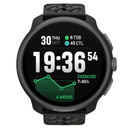
Spinning the crown is difficult when wearing gloves
Not on a Coros watch, since the crown friction is much lower than on Suunto offerings <-- My experience: Pace 2 versus Race S. The Coros was a breeze to use even with thick finger gloves; did not try with ski mittens though… Instead I’d say that having to keep the crown pushed in for several seconds to scroll backwards, the Suunto way, is the real elephant in the room.
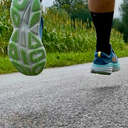
As for other possible transfers from the Run watch to older models, sure! I would like sensible ones, but please not the ‘Fluff’. Back in 2013/2014 Garmin introduced Ground Contact Time on the FR620 and FR920XT, as well as Vertical Oscillation. This, together with the old (useful) data point Cadence, they called Running Dynamics. We spent countless hours on the forum discussing possible ways to make the numbers actionable, with little success. Basically it boiled down to “run faster” to lower the GCT and/or switch from heel striking to mid- or forefoot landing. VO is also lowered by “running faster”, but that’s about it. ‘You is You’ when it comes to running technique, and only mileage and experience will make your body adjust to the safest and most energy efficient running style for Your Body.
Same goes for the Ground Contact Time Balance which Garmin squeezed into the RD set in 2015 (not backported to the FR620, you had to buy the new FR630…) The forum discussions were hilarious, and absolutely Zero clarification from Garmin. For example: 51-49 - meaning the GCT was slightly longer on the left foot - did that signify that something in the left leg department (hip, thigh, ankle etc) was weaker, injured or whatever than the right area, OR that your body favoured the left side because the right side was weaker, injured… etc. etc. The suggestions for how to balance a possible ‘imbalance’ took on surreal tones when one of the moderators claimed to having achieved 50-50 by holding one of the arms straight out from the body - this while running…
I certainly would not buy a new version Suunto watch based on such frivolous additions.